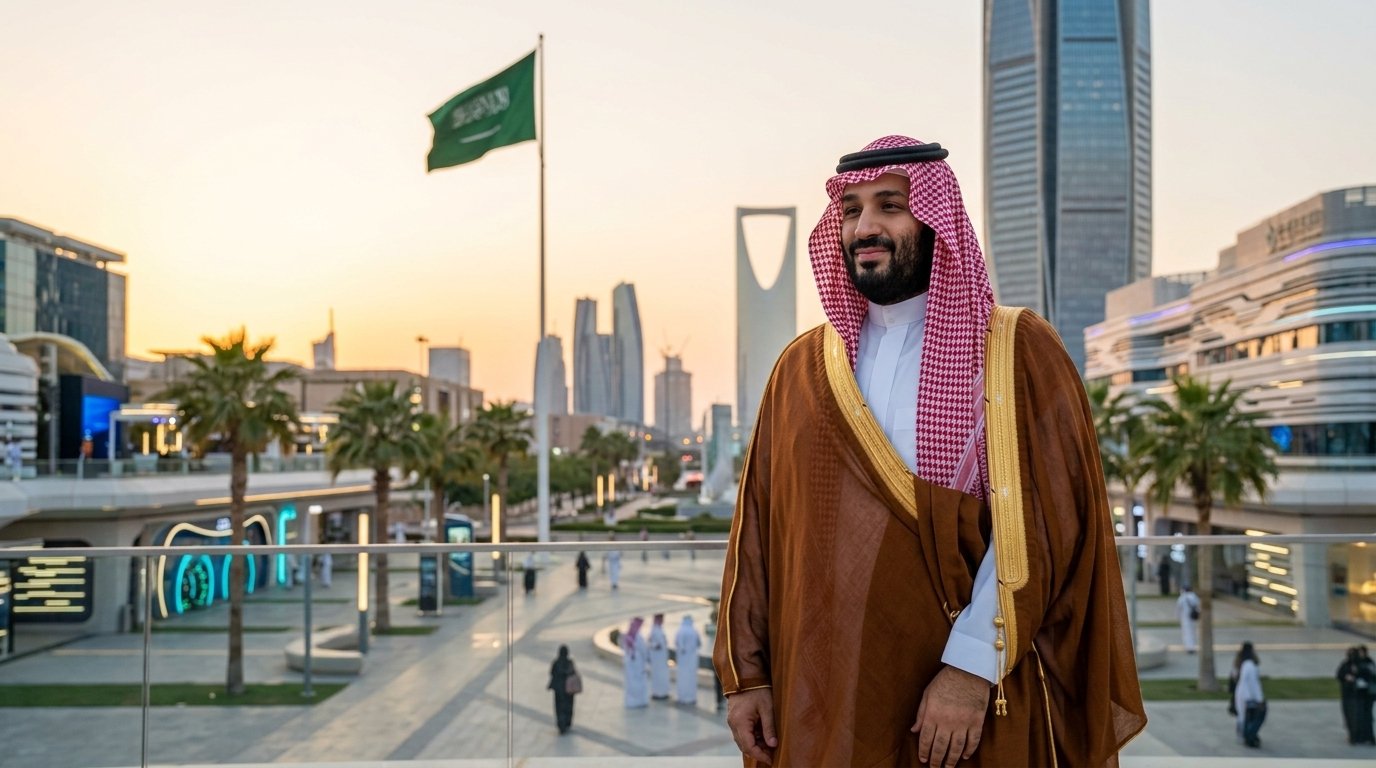
Mohammed bin Salman has become one of the most influential leaders in the Middle East and a central figure in Saudi Arabia’s transformation. As the Crown Prince of Saudi Arabia, he has introduced ambitious reforms that aim to diversify the economy, modernize society, and position the Kingdom as a global leader in innovation and investment. His leadership has attracted worldwide attention because of projects like Vision 2030, NEOM, and major investments in tourism, technology, sports, and renewable energy. While his policies continue to generate discussion internationally, there is no doubt that his vision has reshaped Saudi Arabia’s direction. Millions of people follow his initiatives to understand how the Kingdom is evolving into a more diversified and globally connected nation. This article explores the journey of Mohammed bin Salman, his leadership philosophy, economic reforms, major development projects, and the lasting influence he is expected to have on Saudi Arabia’s future.
Early Life and the Journey to Leadership
Mohammed bin Salman was born on August 31, 1985, in Riyadh, Saudi Arabia. He is the son of Salman bin Abdulaziz Al Saud and grew up within one of the world’s most influential royal families. From a young age, he was exposed to governance, public administration, and the responsibilities of leadership. After earning a law degree from King Saud University, he began serving in advisory roles before assuming increasingly important government positions. His appointment as Minister of Defense marked the beginning of his rise to national prominence, and he later became Crown Prince, placing him at the center of Saudi Arabia’s decision-making process. His leadership style is often described as energetic, ambitious, and focused on long-term transformation. Rather than maintaining traditional approaches, Mohammed bin Salman has consistently emphasized innovation, modernization, and strategic planning as essential elements for securing the Kingdom’s future prosperity.
Vision 2030 and the Transformation of Saudi Arabia
The cornerstone of Mohammed bin Salman’s Vision 2030 is the ambitious plan to reduce Saudi Arabia’s dependence on oil while creating a more diversified and sustainable economy. The strategy focuses on expanding sectors such as tourism, entertainment, manufacturing, renewable energy, technology, and financial services. Vision 2030 also encourages entrepreneurship, private sector growth, and international investment while creating employment opportunities for Saudi citizens. One of its primary objectives is improving the quality of life through better education, healthcare, infrastructure, and digital transformation. The initiative reflects a long-term vision that extends beyond economic reform, aiming to reshape Saudi society for future generations. By investing in innovation and global partnerships, Mohammed bin Salman seeks to position Saudi Arabia as one of the world’s leading economic and technological powers. Vision 2030 has become a defining element of his leadership and remains one of the most significant national development programs in the modern Middle East.
Economic Reforms and Investment Opportunities
Economic diversification remains at the heart of Mohammed bin Salman’s leadership strategy. For decades, Saudi Arabia relied heavily on oil exports as its primary source of national income. Recognizing the need for greater stability, the Crown Prince introduced reforms that encourage investment across multiple industries. The Public Investment Fund has become one of the largest sovereign wealth funds globally, financing major domestic and international projects. New business regulations have made Saudi Arabia increasingly attractive to foreign investors, while initiatives supporting startups and small businesses have strengthened entrepreneurship. Major investments in renewable energy, logistics, healthcare, artificial intelligence, and advanced manufacturing demonstrate the Kingdom’s commitment to building a knowledge-based economy. These reforms also aim to create meaningful employment opportunities for young Saudis while increasing private sector participation. Through these initiatives, Mohammed bin Salman is working to ensure that Saudi Arabia’s future economic growth is driven by innovation, productivity, and global competitiveness rather than oil alone.
NEOM and Saudi Arabia’s Mega Development Projects
Among the most ambitious projects associated with Mohammed bin Salman is NEOM, a futuristic city designed to redefine urban living through advanced technology and sustainability. Located in northwestern Saudi Arabia, NEOM aims to become a global center for innovation, artificial intelligence, clean energy, and smart infrastructure. The project includes The Line, an innovative linear city concept designed to minimize environmental impact while maximizing efficiency. Alongside NEOM, other large-scale developments such as the Red Sea Project, Diriyah Gate, and Qiddiya reflect Saudi Arabia’s commitment to tourism, culture, and entertainment. These mega-projects are expected to attract millions of visitors and billions of dollars in investment over the coming decades. Beyond their economic impact, they symbolize Mohammed bin Salman’s determination to create a modern Saudi Arabia that competes globally in technology, sustainability, tourism, and quality of life.
Social Modernization and Cultural Development
One of the most noticeable aspects of Mohammed bin Salman’s leadership has been the modernization of Saudi society. During recent years, the Kingdom has experienced significant changes in entertainment, culture, education, and public life. Concerts, international sporting events, film festivals, and tourism initiatives have expanded opportunities for both citizens and visitors. Women now play a more active role in education, employment, entrepreneurship, and public service than ever before. These reforms have contributed to broader participation across many sectors of society while maintaining Saudi Arabia’s cultural identity and traditions. Young people, who make up a large percentage of the population, have particularly benefited from new educational and professional opportunities. Mohammed bin Salman has consistently emphasized the importance of investing in human capital as the foundation for long-term national success. These social reforms continue to reshape the daily lives of millions of Saudis while supporting the broader objectives of Vision 2030.
Global Leadership and International Influence
Mohammed bin Salman has strengthened Saudi Arabia’s position on the international stage through diplomacy, investment, and strategic partnerships. The Kingdom plays a major role in global energy markets, international trade, and regional cooperation, making its leadership highly influential in world affairs. Under his direction, Saudi Arabia has expanded relationships with countries across Asia, Europe, Africa, and the Americas while attracting multinational companies to invest within the Kingdom. International conferences, sporting events, technology partnerships, and cultural exchanges have increased Saudi Arabia’s visibility worldwide. The Crown Prince also emphasizes innovation, sustainability, and digital transformation as key elements of future global competitiveness. His international engagement reflects an effort to position Saudi Arabia as both a regional leader and a respected global economic partner. Through strategic diplomacy and economic cooperation, Mohammed bin Salman continues to shape the Kingdom’s reputation as an emerging center for investment, technology, and international collaboration.
Building the Future of Saudi Arabia
The transformation taking place under Mohammed bin Salman represents one of the most ambitious modernization efforts in the modern Middle East. His leadership combines economic reform, technological innovation, infrastructure development, and social progress into a unified national strategy designed to prepare Saudi Arabia for future generations. While challenges remain, the Kingdom has already experienced significant changes in investment, tourism, entrepreneurship, and public life. The long-term success of Vision 2030 will ultimately determine how history remembers this period of transformation. Regardless of differing perspectives, Mohammed bin Salman has unquestionably reshaped Saudi Arabia’s direction and global image. His focus on innovation, sustainability, and diversified growth continues to influence national policy while inspiring new opportunities for businesses, investors, and young Saudis. As Saudi Arabia moves toward a new era, Mohammed bin Salman’s vision remains the driving force behind one of the world’s most closely watched national development stories.